Magnus Carlsen's Transition into Fatherhood Reshapes His Approach to Chess and Work
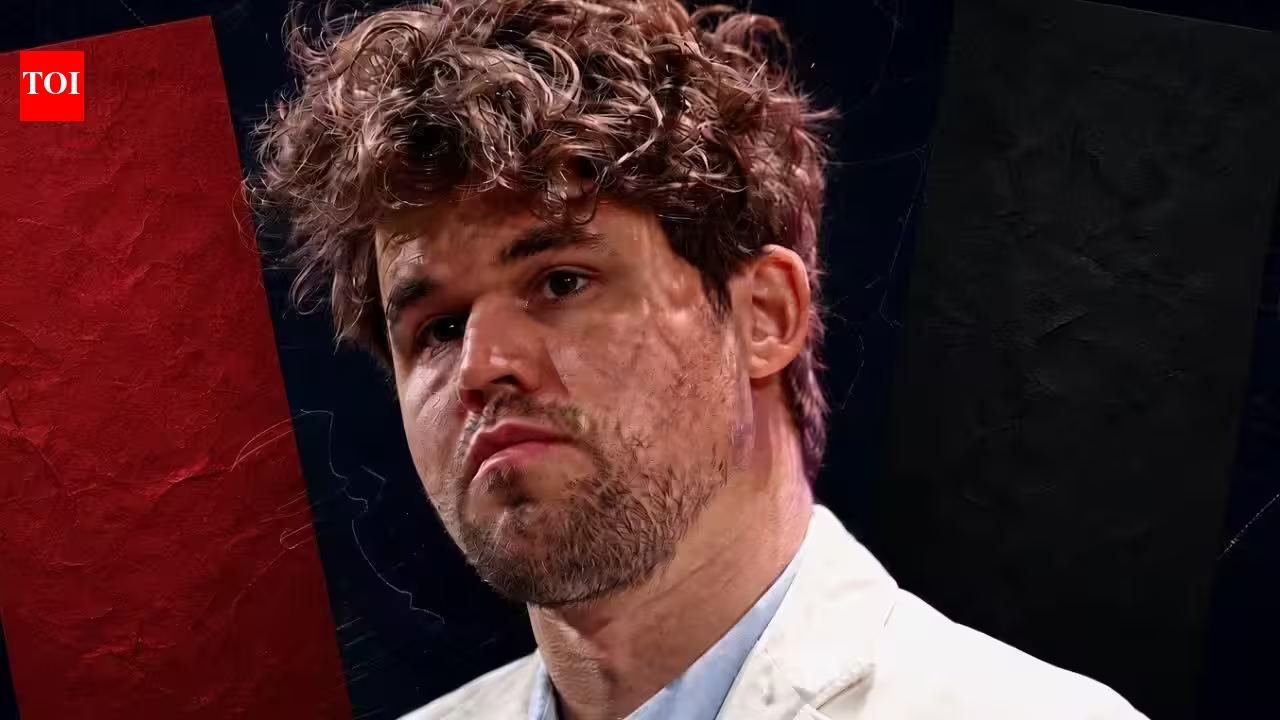
Magnus Carlsen, the world's greatest chess player, has undergone a significant transformation since becoming a father. In a recent media interaction, he revealed that his professional life has not changed dramatically, but his personal life has been reshaped by the responsibilities of parenthood.
Carlsen, who has spent two decades rewriting the ceiling of human chess ability, still views himself as a provider for his family. He continues to work hard, balancing his global career with the demands of raising his son.
Evolutionary Biology and Parental Responsibility
Carlsen's approach to fatherhood can be understood through the lens of evolutionary biology. In species where offspring depend heavily on parental care, one of the strongest pressures shaping behavior is the survival and successful reproduction of the next generation.
Natural selection favors traits and behaviors that contribute to reproductive success. In a species where raising offspring is essential to that success, provisioning and protecting them can become an extraordinarily powerful behavioral priority.
Carlsen's words reflect this mechanism happening in real-time inside his own life. He loves being a father and finds joy in it every day, but he also acknowledges the responsibility that comes with it.
Reallocating Time and Priorities
Carlsen's decision to abandon the classical World Championship title can be seen as a result of his reallocation of time and priorities. He no longer sees the title as a worthwhile use of his finite time, especially when there's a small person at home whose future depends on how he spends his hours.
This decision is not a sign of slowing down, but rather a reflection of his new priorities as a father. Carlsen is now focused on building his professional calendar around his family, ensuring that he can provide for them while also pursuing his passion for chess.
Protecting His Son's Identity
Carlsen's protectiveness towards his son's identity is a testament to the instinctive nature of fatherhood. He is willing to share general information about his son, but draws a boundary when it comes to revealing his name.
This small detail speaks volumes about Carlsen's commitment to his role as a father. He is willing to prioritize his son's needs and well-being above his own desires and ambitions.
As Carlsen continues to navigate his new role as a father, it is clear that his approach to chess and work has undergone a significant transformation. He is no longer just a world-class chess player, but a provider, protector, and caregiver.
Carlsen's story serves as a reminder that even the most extraordinary individuals are not immune to the responsibilities and joys of parenthood. His transition into fatherhood has reshaped his approach to life, and it is a testament to the power of love and responsibility.