Lula Secures Historic Fourth Term as President of Brazil After Runoff Victory

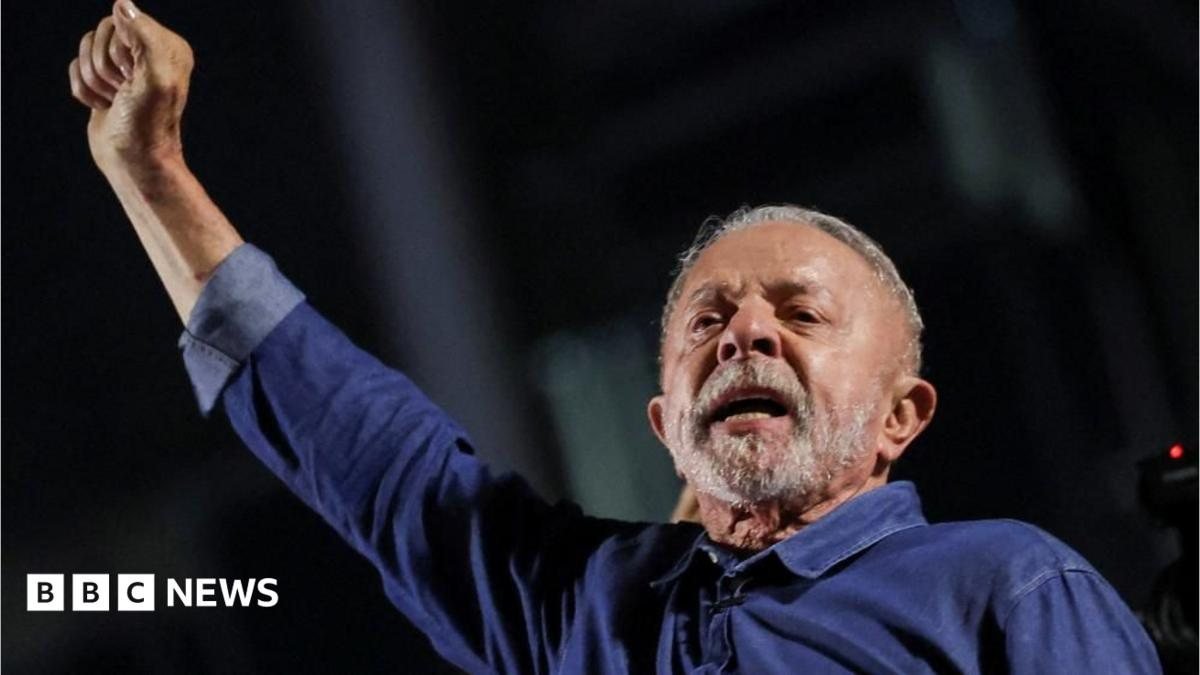
Brazilian President Luiz Inácio Lula da Silva has secured a fourth term in office following a dramatic election victory over his right-wing challenger, Flávio Bolsonaro. Securing 51.79 percent of the vote, Lula achieved a historic comeback, becoming the first president since Brazil returned to civilian rule in 1985 to win the presidency after losing the initial voting round.
Addressing supporters during celebrations in São Paulo, Lula declared that his victory represented a "loss for negativity, lies" and proclaimed, "long live democracy." The former metal worker, who turns 81 on Tuesday, promised that his upcoming term would be his most attentive to the public. He served two non-consecutive terms between January 2003 and December 2010, returned to office in January 2023, and will now lead the country until 2030, with the new term official commencing on January 5.
Election Challenge and Voting Extensions
Flávio Bolsonaro, the son of convicted former president Jair Bolsonaro, has refused to recognise the election outcome, labelling the result "inexplicable" and calling for it to be annulled. In a video released on Instagram on Monday, Flávio Bolsonaro stated that police instructed him to surrender his passports and banned him from leaving the country.
The push to annul the outcome centres primarily on a decision by Supreme Court Justice Cristiano Zanin to extend voting nationwide by two hours. Supporters of Bolsonaro questioned the move, noting Zanin's past work as Lula's lawyer. However, both campaign teams had previously requested time extensions. Lula's campaign cited bus shortages that prevented voters in São Paulo and Bahia from reaching polling places, while Bolsonaro's team pointed to heavy rainfall in São Paulo and southern Brazil.
Kássio Nunes Marques, president of the Supreme Electoral Court who was originally appointed by Jair Bolsonaro, confirmed Lula's victory. Nunes Marques affirmed that the extended voting hours did not alter the final outcome of the race, which saw a margin of 4.4 million votes between the two candidates.
Turnout Surge and Market Reaction
The final outcome followed an unexpected first round on October 4, in which Flávio Bolsonaro led with 47 percent of the vote compared to Lula's 45 percent. Ahead of the runoff, Lula's campaign focused on increasing voter participation following an initial round in which 33 million citizens abstained. The runoff recorded the largest drop in voter abstention between presidential election rounds since 1989.
Following the election announcement, financial markets responded negatively to the unexpected result. The São Paulo stock exchange dropped 15 percent at opening, triggering a brief trading suspension before making a minor recovery. Interest rate futures also rose as investors evaluated Lula's future fiscal plans.
International Reactions and Diplomatic Tensions
The election result drew mixed reactions from international leaders. US President Donald Trump suggested without presenting evidence that the election had been compromised, stating, "I didn't take sides, but it looked like another rigged election. It looked very bad to me." Trump has previously supported Jair Bolsonaro, who is serving a 27-year prison sentence following a conviction for a coup attempt after losing the 2022 presidential election to Lula. Flávio Bolsonaro had met Trump at the White House earlier this year seeking support.
Responding to Trump's foreign policy stance, Lula emphasized during his victory speech that Brazil "will not accept being anyone's backyard."
Other global leaders offered congratulations to the re-elected president. Mexican President Claudia Sheinbaum stated that "the people of Brazil won," while Peruvian President Keiko Fujimori commended Brazil's "democratic day." European Commission President Ursula von der Leyen remarked that "democracy and multilateralism" prevailed, and French President Emmanuel Macron called for the two nations to cooperate "in service of a more just world." Additional messages of support were delivered by the leaders of Canada, Spain, Chile, Ecuador, and South Africa.
Political Hurdles and Hostile Congress
Despite his victory, Lula faces significant domestic challenges upon taking office. He inherits a deeply divided country alongside a hostile Congress heavily populated by allies of Bolsonaro.
Furthermore, Lula's victory diverges from recent political shifts across Latin America, where voters in nations such as Argentina, Chile, and Colombia have recently favored right-wing candidates and parties.