Lagaan's Enduring Legacy: A Quarter-Century of Cricket, Hope, and Dignity

Twenty-five years have passed since Lagaan, a film directed by Ashutosh Gowariker, first captivated audiences with its poignant tale of cricket, hope, and dignity. The movie, starring Aamir Khan, has stood the test of time, remaining a beloved classic in Indian cinema.
A National Origin Myth
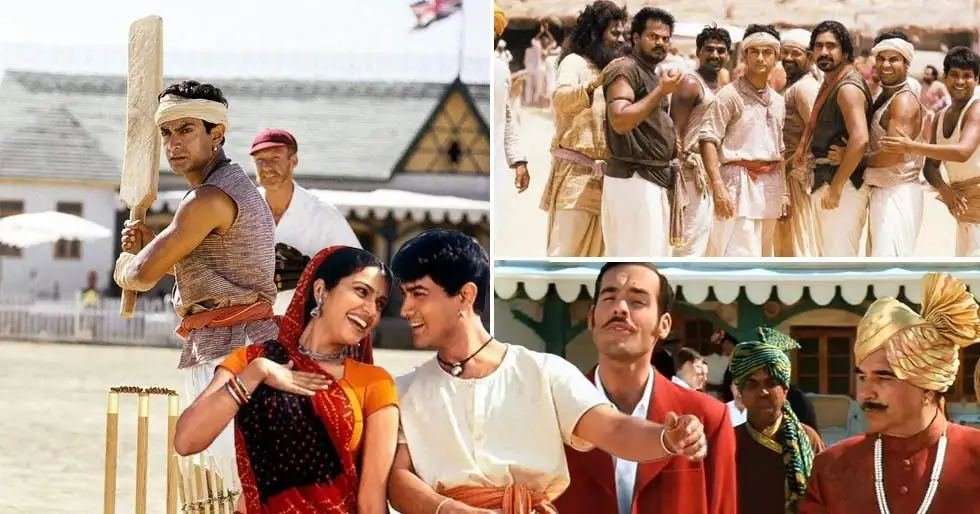
Set in 1893, colonial India, Lagaan tells the story of a drought-stricken village called Champaner, which is faced with a doubled tax it cannot afford to pay. Bhuvan, played by Aamir Khan, makes an impossible wager on behalf of the villagers: beat the British at their own game, cricket, and the tax will be waived for three years. Lose, and it will triple.
Through this wager, Gowariker crafts a national origin myth, one that explores the complexities of colonialism, identity, and the human spirit. The film's rooted Indianness and British Raj backdrop contributed to its international success, making it a landmark moment in Indian cinema's global ambitions.
The Ache Beneath the Romance
What has stayed with audiences since childhood is not the cricket match itself, but the emotions and relationships that surround it. Bhuvan's love for Gauri, played by Gracy Singh, is never explicitly spoken, but lives in his glances and restraint. The introduction of Elizabeth, the captain's sister, played by Rachel Shelley, serves as a mirror, holding up a reflection of Bhuvan's feelings for Gauri.
This nuanced storytelling is a testament to Gowariker's skill as a director, who weaves together a complex narrative that explores the human condition. The camerawork, led by Anil Mehta, is noteworthy, with a traditional approach that emphasizes the characters' emotions and reactions.
Pushing Forward
The village's struggles with drought and taxation serve as the backdrop for the cricket match. The villagers' egos are hurt, and a series of events leads to the match being decided. The cinematography is noteworthy, with each ball having a story of its own.
AR Rahman's score operates on the same principle, never overpowering the film, but rather elevating the moments that need it. The scene where Captain Andrew Russell offers to waive the tax if the Maharaja eats meat is a powerful example of the film's ability to balance emotion and politics.
Why the Match Still Matters
By the time the cricket match arrives, Lagaan has already done the hard work, convincing audiences that this is a fight worth having. Bhuvan doesn't recruit teammates, but rather excavates them, finding purpose in a mute drummer, a limping outcast, and a frightened archer.
Aamir Khan's performance as Bhuvan is a masterclass in subtlety, playing the character less like a hero and more like a conductor, whose confidence is infectious. The film's structure and form are what make it durable, understanding that earned length is not the same as bloat.
Lagaan's legacy is a testament to the power of cinema, a film that has been our best cricket-based movie in 100 years of these cultures crossing over. It is a reminder that some victories, however fictional, never really stop being won.