Karnataka Electoral Roll Shrinks by 99.32 Lakh Names Following First Revision in 23 Years

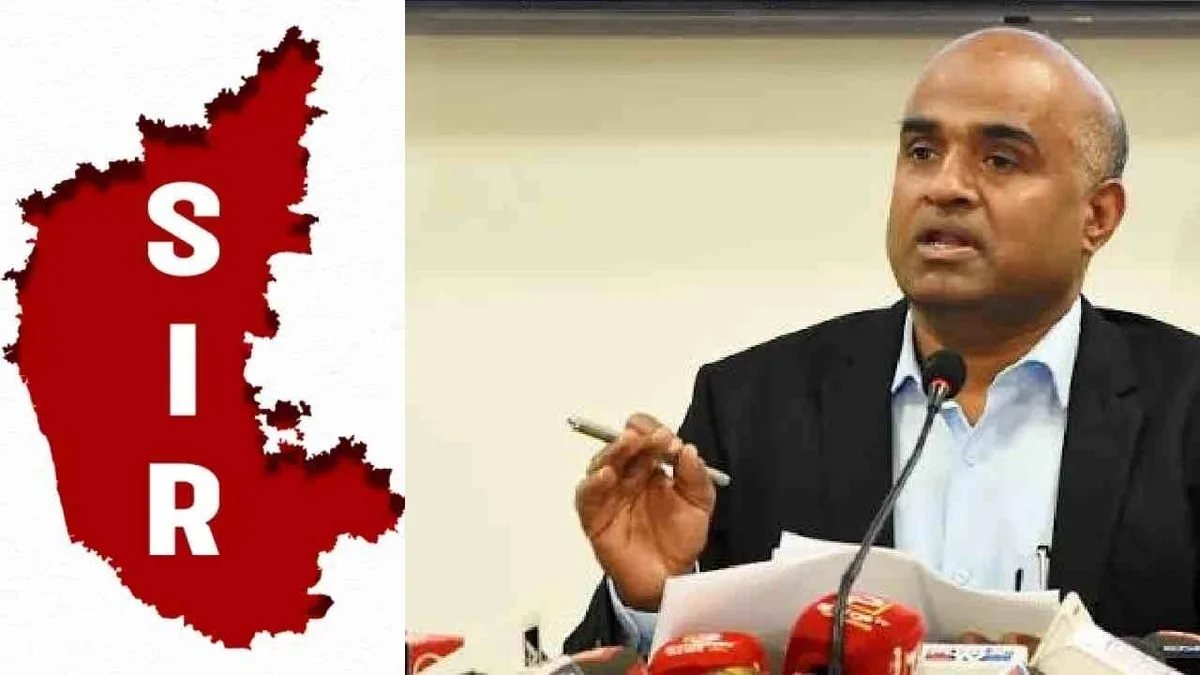
Karnataka’s electoral database has undergone a major revision after the Election Commission of India published a final voter list showing approximately 4.55 crore electors. This reflects a net reduction of nearly 99.32 lakh voters compared to the 5.54 crore recorded before the Special Intensive Revision (SIR). The final electoral roll, published on October 27, lists 4,55,00,011 voters against the pre-revision figure of 5,54,32,314, representing a drop of close to 18 per cent of the state's earlier electorate.
The draft roll published earlier on August 24 had recorded around 4.46 crore electors before the window for claims, objections, and official verifications led to final adjustments. While the dramatic reduction brings focus to duplicate, outdated, and bogus voter registrations, the excluded entries cannot automatically be classified as fraudulent. The removals encompass deceased individuals, shifted residents, duplicate registrations, untraceable voters, and other categories subject to administrative scrutiny. Establishing the exact number of fraudulent registrations requires category-wise findings from the official verification process.
Timeline and Methodology of the Special Intensive Revision
The SIR exercise officially commenced in Karnataka on June 30, following preparatory work, training, and form printing conducted between June 20 and June 29. Booth Level Officers visited households across the state between June 30 and August 17 to distribute enumeration forms. Voters were required to complete and sign forms providing their current details alongside information related to the 2002 electoral roll to verify whether existing entries matched eligible voters.
Following the publication of the draft roll on August 24, the Election Commission accepted claims and objections through September 23. Figures reported during the revision showed draft-stage exclusions of approximately 65.45 lakh electors categorized as permanently shifted, 16.39 lakh deceased voters, 7.09 lakh duplicate entries, 15.17 lakh absent electors, and about 3.83 lakh cases placed under other categories. These initial exclusions totaled roughly 1.08 crore names before final processing of claims and applications resulted in the net reduction of 99.32 lakh entries.
Notice Issuance and Verification Requirements
As part of the verification process, notices were served to approximately 43.84 lakh electors out of the 4.46 crore listed in the draft roll. These notices included 20.35 lakh cases involving discrepancies with the 2002 voter database and 23.45 lakh cases where earlier electoral details were unavailable. Affected voters were given seven days to respond to notices using documents chosen from a prescribed list of 12 accepted identity and residence proofs.
The schedule allowed time for issuing notices, receiving replies, conducting formal hearings, and finalizing decisions ahead of an October 22 deadline. The revision marked the first SIR conducted in Karnataka in 23 years, with the last exercise carried out in 2002. Significant population movement to Bengaluru and other urban hubs for employment and education over the past two decades has contributed to complexities in maintaining updated electoral records, particularly when electors fail to update address changes.
Demographics and Verification Access
The final voter list includes 2,29,12,355 women electors and 2,25,40,493 men electors, along with 2,841 voters registered under the third-gender category. Demographic breakdowns reveal 6,83,364 electors aged between 18 and 19 years, 3,92,134 electors aged 85 and above, and 3,252 registered overseas voters.
Electors can review their registration details directly on the Karnataka Chief Electoral Officer’s portal at https://ceo.karnataka.gov.in/en. The Election Commission notes that voters who identify errors or omissions in the newly published list may contact designated electoral authorities to address corrections.