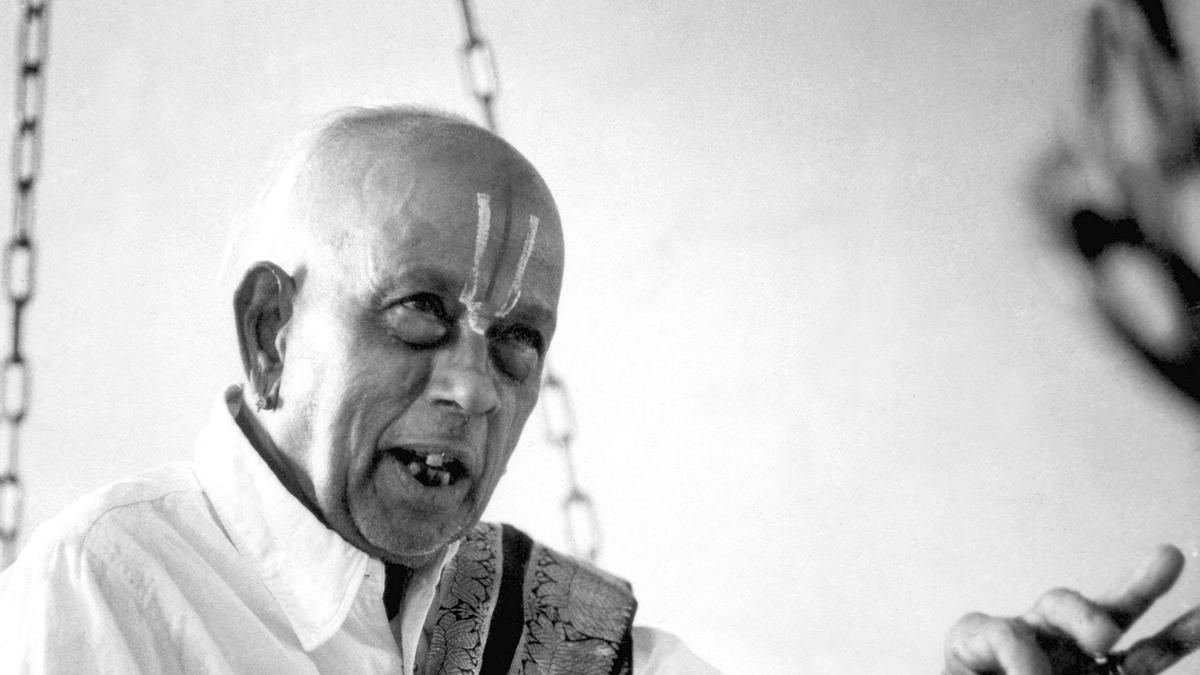
Joseph Stiglitz Calls European Youth Protests Over Living Costs Legitimate

Nobel Prize-winning economist Joseph Stiglitz has described widespread youth protests across Europe as legitimate, stating that young people are right to be concerned about intergenerational inequality, housing affordability, and job security.
In recent weeks, hundreds of thousands of demonstrators have taken to the streets in countries including France, Denmark, Italy, and Spain. The demonstrations have been driven by growing frustration over rising living costs, a severe housing crisis, low pay, and diminishing public services.
Intergenerational Inequality and Economic Pressures
Stiglitz, an 83-year-old American economist, former World Bank chief economist, and Columbia University professor, highlighted the systemic disadvantages currently facing younger demographics. He pointed out that young people inherit an economic landscape marked by rising wealth gaps, climate change, and anxieties linked to technological advances such as artificial intelligence.
"Part of the problem is inequality across generations," Stiglitz said. "They can't afford housing. They're not given the education that would make them productive. AI is giving rise to new sets of anxieties." He noted that these pressures create fear among younger generations that they will be unable to achieve the standard of living enjoyed by their parents.
Protests and Political Fallout in Spain
Demonstrations have taken various forms across the continent. In Spain, hundreds of thousands participated in the country's first nationwide 24-hour strike since 2012. Demonstrators marched through rain in Madrid holding banners reading "we have no home" to highlight the severity of the living crisis.
The protests reflect everyday economic struggles across Spanish cities. Paula Diaz, a 25-year-old theatre technician living with her parents, noted that working full-time is no longer sufficient to pay rent or purchase a home. In Barcelona, 24-year-old student Arturo Leon reported paying €460 per month for a 5-square-metre bedroom in a shared flat with four other people, without a formal contract and with broken facilities that the landlord refuses to repair.
The political impact of the housing crisis in Spain has been immediate. Spanish Prime Minister Pedro Sanchez called an election after his minority government failed to secure parliamentary approval for a proposed package of housing measures introduced in response to the street demonstrations.
Student Action in Italy and France
In Italy, thousands of students have staged marches, established tent encampments, and occupied school buildings to demand increased funding for public education and infrastructure. Sofia Cataldi, a 16-year-old student in Rome, voiced anger over deteriorating school conditions, citing safety hazards such as falling windows and pest infestations.
Similar unrest has been active in France since early September. Protesters have focused on the decline of state services, including healthcare and education. Aurelane Thos, a 38-year-old nurse participating in the French demonstrations, emphasised that deteriorating conditions and understaffing in public hospitals and schools strongly resonate with workers and students alike. Mathilde, a 17-year-old student in Paris, pointed to police presence outside high schools as an additional catalyst for ongoing student mobilization.
Taxation Proposals and Structural Reforms
To address social grievances and generate public revenue, Stiglitz reiterated his long-standing support for taxing the ultra-wealthy. He backed a proposal put forward by French economist Gabriel Zucman to implement a minimum tax levy of roughly two per cent on fortunes exceeding €100 million.
"There is so much money at the top that even a small tax rate on the top generates a huge amount of money," Stiglitz stated. He argued that such revenue should be collected at the European Union level, noting that the EU's free movement of capital and individuals makes tax avoidance easier when handled strictly by individual nation-states.
However, Stiglitz cautioned that higher taxation alone will not resolve the structural economic issues facing European governments. He urged nations to reform public spending and introduce more flexible pension systems that account for longer life expectancies while remaining fair to individuals working physically demanding jobs. Acknowledging the complex economic background, Stiglitz added that while students may not fully grasp the broader financial constraints involved, European nations are navigating a particularly difficult period beyond typical budgetary pressures.