
India's Gross GST Collection Reaches ₹2.36 Lakh Crore in April 2025, Sparking Public Debate

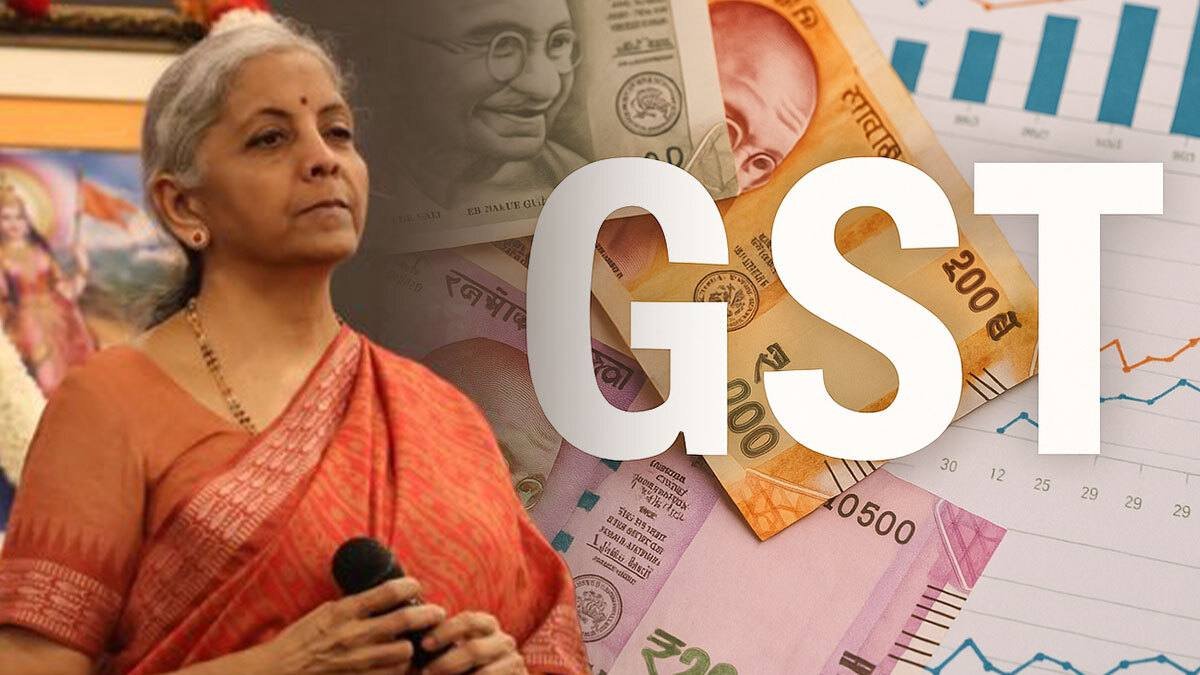
India's gross Goods and Services Tax (GST) collection for the month of April 2025 reached ₹2.36 lakh crore. This figure represents a 12.6 percent increase compared to the gross collection of ₹2.10 lakh crore recorded in April 2024.
Union Finance Minister Nirmala Sitharaman shared the official revenue data on the social media platform X on May 1, 2025. The data also highlighted growth in net GST collections, which reached ₹2.09 lakh crore for April 2025. This marks a 9.1 percent increase over the net collection of ₹1.92 lakh crore recorded during the same month in the previous year.
Government Highlights Economic Resilience
In her social media post, Finance Minister Sitharaman expressed appreciation for the country's taxpayers and stated that the rising collections demonstrate the strength of the domestic economy. She noted that the revenue figures reflect the resilience of the Indian economy and the effectiveness of cooperative federalism amid global economic turbulence.
"Deepest gratitude to the taxpayers whose contributions and faith in the GST architecture drive the nation’s progress," Sitharaman wrote on X. She added that these contributions reflect a shared commitment toward building a "Viksit Bharat" (developed India).
Taxpayers Raise Concerns Over Public Infrastructure
Despite the positive growth figures presented by the government, the announcement drew significant criticism from middle-class taxpayers online. Many users on social media questioned the utility of the high tax collections, demanding greater accountability regarding how the government utilizes public funds.
Several taxpayers expressed dissatisfaction with the quality of public services and infrastructure received in return for their taxes. Commentators pointed to issues such as poor road infrastructure, severely bad air quality, long power cuts, and a lack of footpaths. Others highlighted deficiencies in social security, public healthcare, public education, job opportunities, and green spaces like parks.
Debate Over Tax Slabs and Quality of Life
The online discussion also focused on specific tax rates, with users questioning why high tax slabs are imposed on essential items and everyday purchases. Taxpayers pointed out the 18 percent GST rate applied to health insurance and ice cream, as well as high tax rates on small cars and scooters.
Some citizens called for blanket tax relief for common individuals, while others raised concerns about employment security. One user remarked that instead of receiving gratitude, citizens require support and pensions during times of job loss. Another commentator questioned the accuracy of India's GDP measurements, arguing that high GST growth is difficult to reconcile with situations where merchants still request cash payments to avoid taxes.