Exploring Nana Patekar’s Lifelong Passion for Music and Poetry
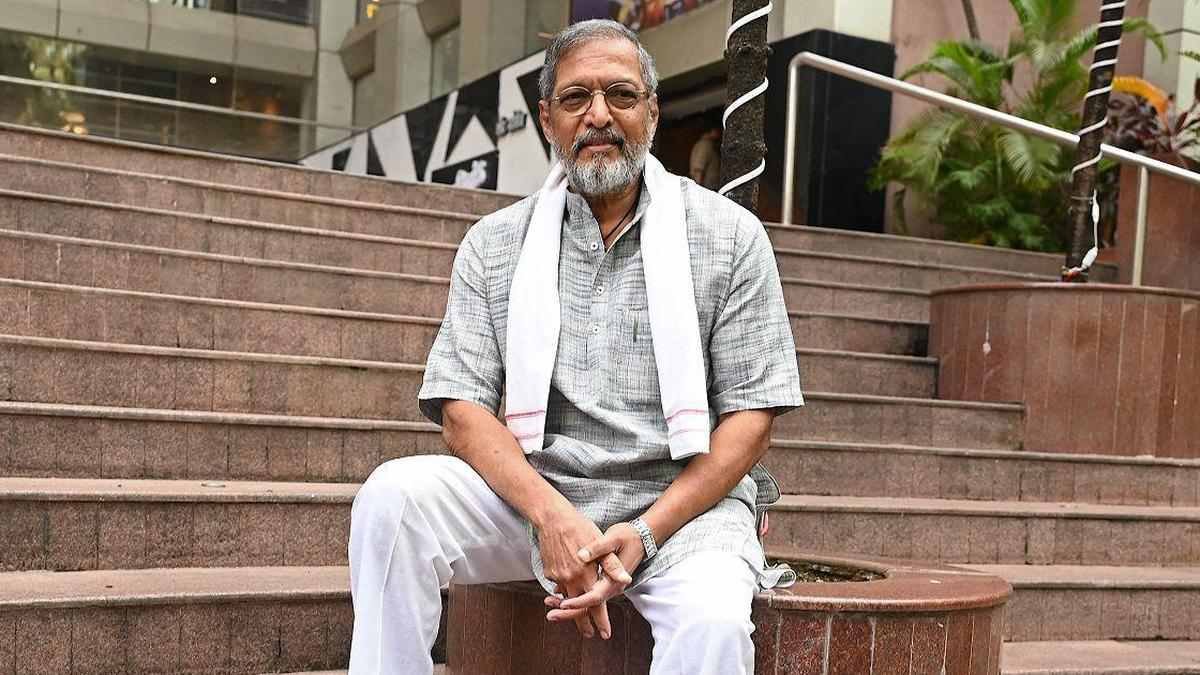
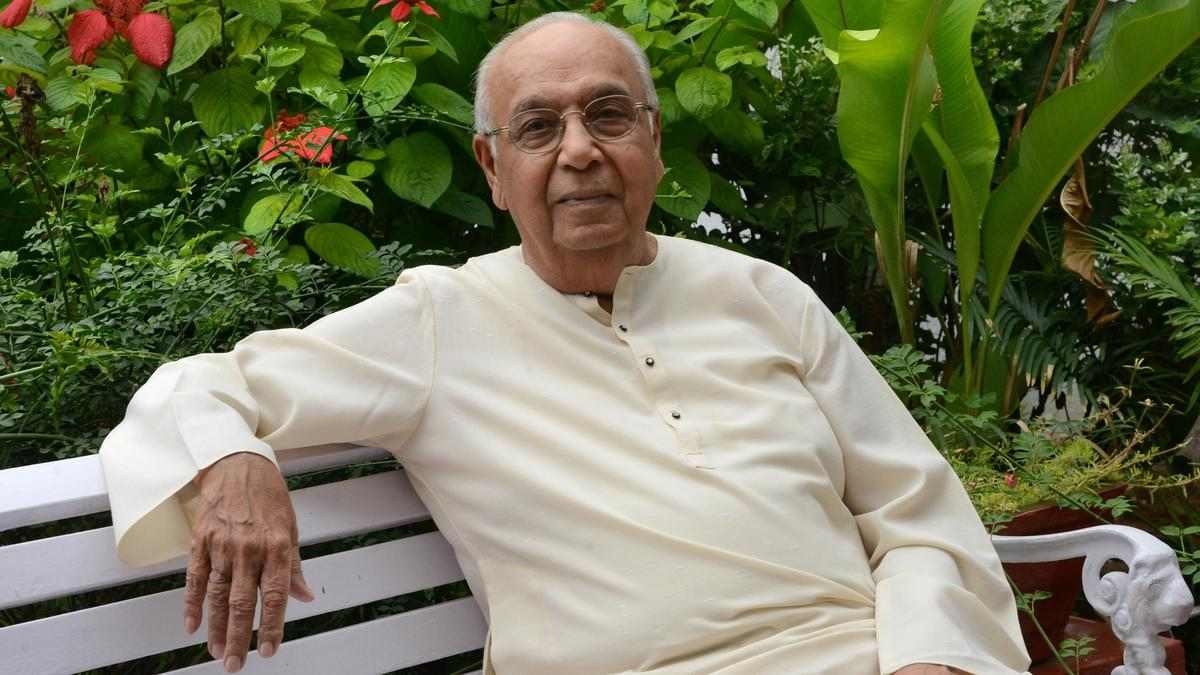
While widely celebrated for his acting on screen and stage, Nana Patekar maintained a deep personal engagement with Indian classical and folk music, poetry, and artistic friendships throughout his life. Trained in commercial art at the Sir J.J. Institute of Applied Art in Mumbai, the late actor frequently noted in interviews over the years that classical music brought him calm and helped shut out surrounding chaos, reflecting his firm belief that creative minds could contribute to healing a fractured world.
His public and private interactions consistently highlighted an unfeigned love for musical traditions. Just three days before his passing, Patekar was seen playing the ghumot, Goa’s traditional percussion instrument, at a cultural event in Panaji. His enthusiasm for live music was equally evident during television appearances. A year prior, as an invitee on Indian Idol, he paused contestant Sneha Shankar’s performance of the song ‘Ye dil tum bin kahin lagta nahin’ to ask if she knew the subsequent stanza, standing to listen as she sang. On the Sa Re Ga Ma show, singer Subashree Debnath recalled him requesting the Lata Mangeshkar classic ‘Jaane kya baat hai’. On another music reality show, Patekar sat at the tabla and invited a singer to perform alongside him.
A Passion for Hindustani and Carnatic Traditions
Patekar’s immersion in classical music reportedly began when he first heard vocalist Gangubai Hangal, whose performance moved him deeply. He subsequently attended her concerts in Mumbai and Pune and became a regular attendee at the Sawai Gandharva Sangeet Mahotsav to listen to her and other Hindustani classical masters. His musical interest extended to Maharashtra’s Natyasangeet tradition through the Marathi musical play Katyar Kaljat Ghusli, which featured a score by Pt. Jitendra Abhisheki and starred vocalist Pt. Vasantrao Deshpande. Years later, when Deshpande’s grandson Rahul Deshpande revived the production, Patekar offered strong support, eventually serving as a patron and trustee of the Dr. Vasantrao Deshpande Pratishthan and helping organise Pune’s annual Vasantotsav festival.
Cultural curator Shashi Vyas, founder of the music organisation Pancham Nishad, noted that Patekar was a regular attendee at the Chintamani Jayanti Samaroh, organised in memory of his father, vocalist and composer Pt. C.R. Vyas. Vyas recalled that Patekar listened widely, admiring stalwarts such as Begum Akhtar, Bal Gandharva, Ustad Bade Ghulam Ali Khan, Ustad Vilayat Khan, Pt. Bhimsen Joshi, and Kishori Amonkar. In recent years, he also followed Carnatic music, fondly listening to musicians such as T.M. Krishna.
Intimate Gatherings and Artistic Camaraderie
Patekar hosted intimate baithaks at his home in Pune, inviting musicians such as Ustad Rashid Khan for meals and artistic discussion. Vyas emphasized that these gatherings reflected Patekar's desire to interact closely with musicians and draw inspiration from their artistry, treating music as an enduring passion rather than a simple pastime.
Sitarist Shakir Khan, son of sitar maestro Ustad Shahid Parvez, recalled Patekar’s intense absorption during performances and workshops. According to Khan, Patekar rarely missed Ustad Shahid Parvez's concerts. On one occasion, Patekar attended a three-hour sitar workshop conducted by Khan in Pune, watching the guidance before requesting to hear raag Pilu and remaining engrossed until the final note. Two months prior, Patekar had called Khan directly to praise his rendition of raag Bagesri, advising the young musician to remain true to his legacy and avoid gimmicks.
Poetry and Personal Expression
Beyond his active listening and involvement in musical events, Patekar engaged in writing poetry centered on themes of love, compassion, and social inequities. He often recited his verses at public events in his distinct voice. His literary work was formally captured in the Marathi album Nanachhand, released in 2024, which featured verses authored by him.