Durga Puja in Bengali Cinema: Exploring Women's Agency and Patriarchal Control

In Bengali cinema, the goddess Durga is more than a marker of the festive season. Her image becomes part of the drama, shaping the characters' lives without ever speaking. Through framing, light, sound, and the camera's gaze, the goddess's presence is felt throughout the films of Satyajit Ray, Rituparno Ghosh, and Aparna Sen.
Exploring Women's Agency and Patriarchal Control
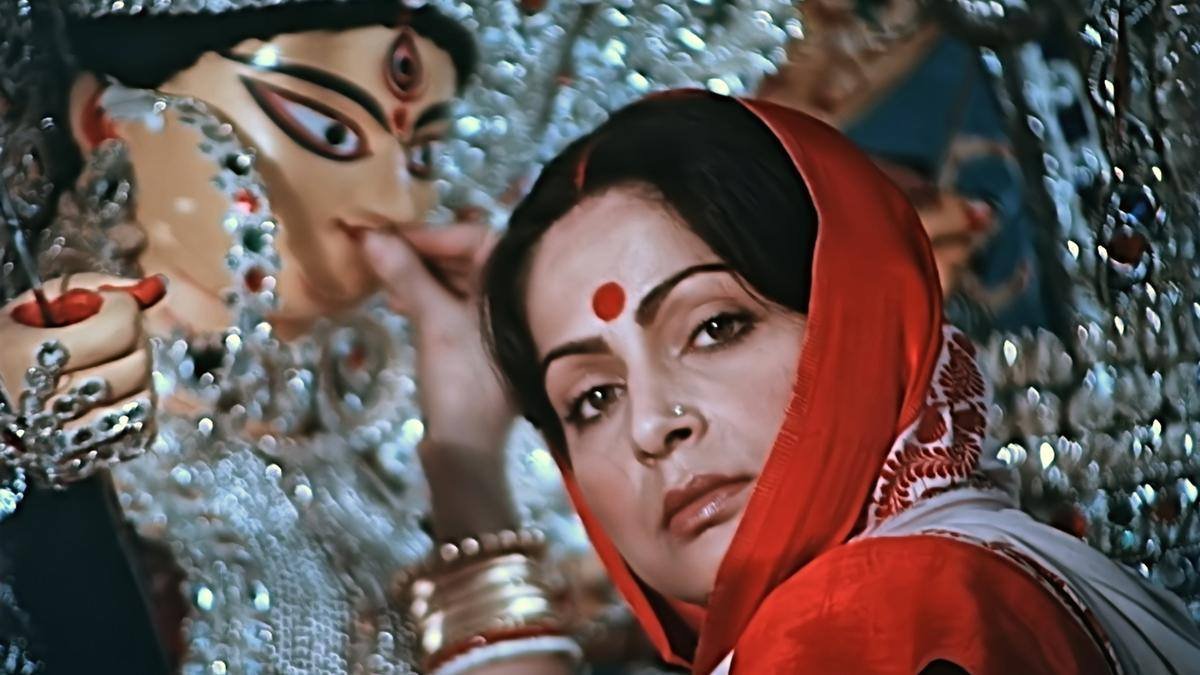
From Devi and Parama to Utsab and Antarmahal, Bengali filmmakers have used Durga's image to explore women's agency, patriarchal control, family tensions, and the contradictions between the goddess's power and women's lives. In films such as Satyajit Ray's Devi, Aparna Sen's Parama, and Rituparno Ghosh's Utsab and Antarmahal, the goddess's image becomes part of the drama.
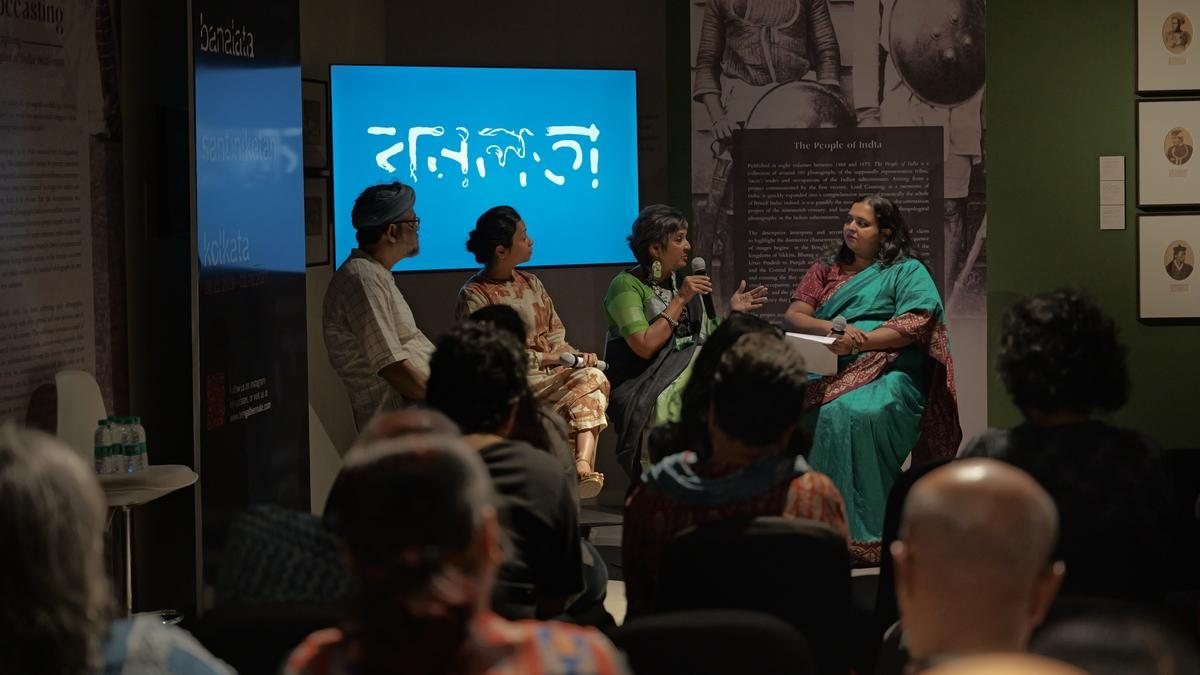
Prof. Sanjoy Mukhopadhyay, former dean of the Department of Film Studies at Jadavpur University, notes that for filmmakers such as Satyajit Ray and Ritwik Ghatak, Puja was not merely a religious occasion but a cultural space where different classes and communities could mingle. In Satyajit Ray's Pather Panchali, the village's social world is shaped by such encounters, with rich and poor coming together before the goddess's image.
The goddess also offers women a figure through whom to imagine power. In Mrinal Sen's Akaler Sandhane, Prof Sanjoy recalls, Sreela Majumdar's character stands before a Durga mandap and identifies with the all-powerful Mother. Women may resonate with the goddess's strength, he suggests, while privileged men remain preoccupied with the social pleasures surrounding the festival.
However, the goddess's image can also be used to exercise patriarchal authority. In Satyajit Ray's Devi, the relationship between the human and the divine becomes disturbing. The film opens with the face of a clay goddess taking shape through the act of idol-making. Bells, fireworks, and the sounds of Puja animate the world around it. Doyamoyee, played by Sharmila Tagore, is declared an incarnation of the Mother Goddess by her father-in-law. The household begins to worship her, trapping the young woman inside an identity imposed by other people's faith.
Ray's camera and Subrata Mitra's cinematography make this transformation unsettling. Lamplight falls across faces as shadows gather in the corners of rooms. Doyamoyee is repeatedly framed within the architecture of worship, her living body visually associated with the sacred image. Her confinement becomes visible before she can articulate it.
The goddess's image becomes a means through which patriarchal authority is exercised. The tragedy lies in the gap between the power attributed to the divine feminine and the helplessness of the woman made to embody it. Where Parama allows the goddess's image to suggest a woman's right to self-determination, Devi shows how the demand that a woman become divine can erase her humanity.
In Rituparno Ghosh's Antarmahal, the scrutiny turns towards the household that commissions the goddess. Set in colonial Bengal, the film follows a zamindar obsessed with producing an extravagant Durga idol and securing a male heir. His desire to replace the goddess's face with that of Queen Victoria transforms the image into an instrument of status and colonial aspiration.
The idol becomes an extension of his vanity, while the women bear the cost of his ambitions. The image that signifies feminine power is appropriated by a system that denies women agency. What remains outside the frame is the human cost of the sacrifice demanded of women.
The goddess need not dominate a film's composition to shape its emotional world. In Satyajit Ray's Joy Baba Felunath, the approach of Puja is established through idol-making, but the camera initially directs attention to Mahishasura, then the attacking lion and the face of the child Ruku. The festival gathers dramatic force through these surrounding details before the central mystery unfolds.
Sound can establish a similar presence. In Devi, bells, chants, and ritual noises do more than create religious atmosphere: they become part of the machinery through which Doyamoyee's deification gathers force. The world around her grows louder even as her ability to speak for herself diminishes.
The goddess's presence can inhabit the space between a ritual and a quarrel, public celebration and private sorrow. She may be worshipped as the destroyer of evil, the daughter returning home, or the embodiment of feminine power. Cinema complicates these meanings: sometimes her image offers a language for resistance; sometimes it exposes the violence concealed beneath devotion.
The goddess does not have to intervene in the story. Her stillness allows us to see the people around her differently. In the space between her unblinking gaze and their restless lives, Bengali cinema turns the camera towards us, and the audience takes a leap inwards.